Ghania Roses: A Soft Script Font for Web Design
I was recently tasked with refreshing the hero section of a boutique lifestyle brand’s homepage, and the existing typography felt too rigid for their warm, inviting aesthetic. I needed something that could carry emotional weight without sacrificing digital clarity, which led me to test Ghania Roses. This typeface is part of the growing family of Script Handwritten Fonts that bridge the gap between artistic expression and functional web design. As I loaded the font files into my design environment, the immediate softness of the letterforms stood out, offering a gentle contrast to the sharp geometric sans serifs typically used for body copy in modern layouts.
Integrating Ghania Roses into Hero Sections and Landing Pages
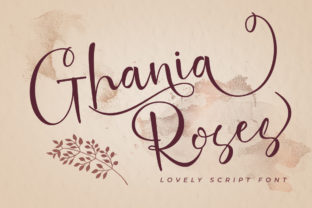
When working with Ghania Roses, the first thing a web designer notices is how its sweet, soft hand-lettered script character interacts with white space. In my recent project, I placed the font in the main headline of a landing page, overlaying it on a muted, pastel background image. The playful rounded characters make it the perfect font for creating stunning calligraphy art, but they also serve a crucial UX purpose by drawing the eye immediately to the value proposition. Unlike aggressive display fonts that can feel shouting or urgent, this script invites the user in, creating a sense of trust and approachability that is vital for coaching websites and creative portfolios.
The key to using Ghania Roses effectively in a digital layout is understanding its role as a primary accent rather than a workhorse for long-form text. I found that limiting its use to headers, short subheadings, and call-to-action buttons preserved its impact. When users scan a webpage, they look for visual anchors, and the unique flow of this Script Handwritten style provides just enough deviation from standard web typography to create a memorable brand moment. It is essential, however, to ensure that the font size is large enough to maintain legibility, especially on mobile devices where screen real estate is limited.
Enhancing Brand Identity with PUA Encoded Swashes and Alternates
One of the most powerful features I explored during the design process was the inclusion of PUA encoded swashes. For those unfamiliar with technical font terms, PUA (Private Use Area) encoding allows designers to access special characters and decorative alternates directly through standard keyboard shortcuts or glyph panels in design software. With Ghania Roses, these swashes add a layer of custom craftsmanship to digital assets without requiring manual vector editing. I used a specific swash variant on the initial capital letter of the brand’s tagline, which added a flourish that felt bespoke and high-end.
This level of detail is what separates a generic template from a polished digital product. By leveraging the full range of Fonts included in the package, I could create variation across different pages of the site while maintaining consistency. For instance, I used a cleaner version of the script for navigation elements and a more elaborate swashed version for the footer signature and social media graphics. This strategic use of alternates helps in building a cohesive brand identity that feels thoughtful and professional. It demonstrates to visitors that attention has been paid to every pixel, reinforcing the perceived value of the products or services offered.
Pairing Ghania Roses with Sans Serif Fonts for Readability
A common challenge when incorporating a Script Handwritten typeface is ensuring the rest of the content remains easy to read. In my layout, I paired Ghania Roses with a clean, neutral sans serif font for the body copy. This combination creates a balanced visual hierarchy where the script handles the emotional heavy lifting, and the sans serif ensures that information is digestible. The contrast between the organic, flowing lines of the script and the structured, geometric lines of the sans serif creates a dynamic tension that keeps the user engaged.
Readability is paramount in web design, and while Ghania Roses is beautiful, it is not suited for paragraphs of text. I restricted its use to headlines, pull quotes, and short decorative phrases. On mobile screens, I increased the line height and letter spacing slightly to prevent the rounded characters from touching adjacent letters, which can happen if the tracking is too tight. This adjustment ensured that the font remained legible across all devices, from large desktop monitors to small smartphone screens. Testing the font in various lighting conditions, including dark mode, revealed that it performs best on light backgrounds where the soft curves can be clearly distinguished.
Using Ghania Roses for Digital Products and Online Stores
Beyond standard websites, Ghania Roses proves invaluable for digital product creators and online store owners. I recently applied it to a course sales page, where it was used to highlight testimonials and key benefits. The handwritten aesthetic adds a personal touch, making the content feel like it comes from a real person rather than a faceless corporation. This is particularly effective for coaches, consultants, and artisans who rely on personal connection to drive conversions. The font’s ability to convey warmth and authenticity helps in building rapport with potential customers before they even make a purchase.
For e-commerce sites, this typeface can be used in banner ads, product packaging mockups, and email headers to create a consistent brand experience across all touchpoints. The playful nature of the characters makes it ideal for promoting lifestyle products, beauty items, or handmade goods. When used in digital ads, the distinct style of Ghania Roses helps the ad stand out in a crowded feed, capturing attention quickly. However, it is crucial to keep the message short and impactful, as the intricate details of the script can become lost if the text is too lengthy or complex.
Before finalizing any project, I always check the licensing terms to ensure commercial use is permitted for web embedding. Ghania Roses comes with the necessary permissions for digital use, which gives peace of mind when deploying it on client sites. Additionally, verifying the file formats ensures compatibility with major web browsers, preventing any display issues that could harm the user experience. By taking these practical steps, designers can confidently integrate this stunning script into their toolkit, knowing it will perform reliably across different platforms and devices.